research
Harnessing biodiversity big data
Biodiversity records are increasingly digitized and aggregated, creating opportunities to understand global biodiversity change while also exposing major challenges in specimen digitization, data quality, and database synthesis.
Current work.
- To enhance specimen digitization, our group are developing AI-based tools, including large language models, to greatly enhance the efficiency of georeferencing, a critical step of specimen digitization.
- To address data quality issues, our group are developing open-source tools for automatic data cleaning and standardization. The tools include AHOI for identifying georeferenced errors in specimen records and GridDER for detecting gridded survey records and estimating spatial and environmental uncertainties.
- We are also working on a synthesis of biodiversity databases. This work assesses the heterogeneous database landscape, including data coverage, taxonomic compatibility, and global data gaps, and proposes ways forward for a synthesized biodiversity knowledge base.
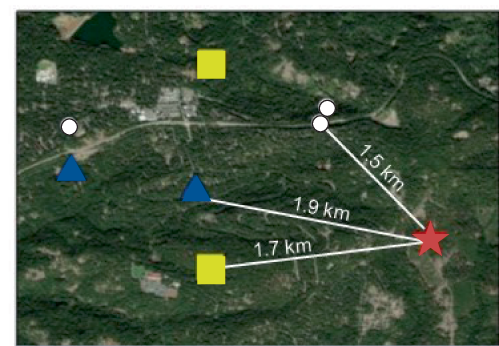
Using large language models to address the bottleneck of georeferencing natural history collections
A benchmark of large language models for georeferencing specimen-locality descriptions and accelerating collection digitization.

GridDER: Grid Detection and Evaluation in R
A workflow and R tool for detecting gridded biodiversity records and estimating spatial and environmental uncertainty.
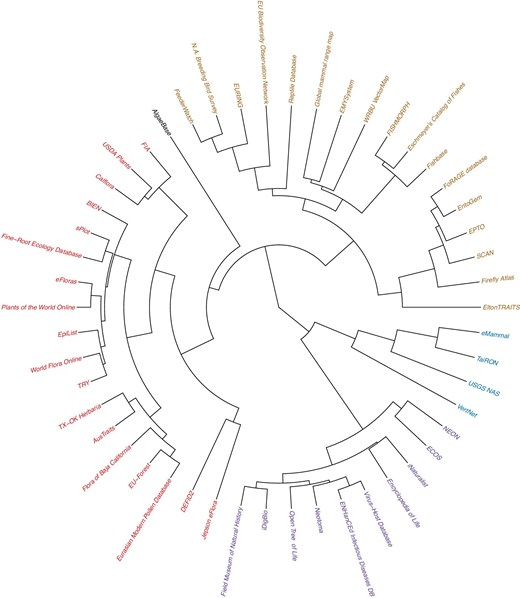
The next stage of biodiversity informatics: community-driven synthesis and integration of biodiversity databases
Synthesis and integration, driven by a growing and thriving community, will be the next stage of biodiversity informatics and will help unlock the full potential of biodiversity information.
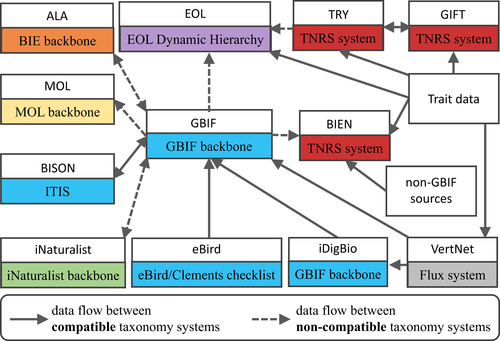
A review of the heterogeneous landscape of biodiversity databases: opportunities and challenges for a synthesized biodiversity knowledge base
A review of database coverage, compatibility, data gaps, and paths toward a synthesized biodiversity knowledge base.
Global biodiversity patterns in the Anthropocene
Understanding biodiversity at global scale requires data and models that span taxonomic, spatial, and temporal scales. We use biodiversity databases, high-performance computing, and spatial analysis to quantify global biodiversity patterns and conservation priorities.
Current work.
- We developed range maps for 300,000+ plant species with the BIEN team, based on which we investigated the biodiversity crisis in the Amazon.
- We investigated distribution patterns of rare plant species across the globe.
- We are investigating how anthropogenic factors are influencing mammal and bird distributions at continental scales.
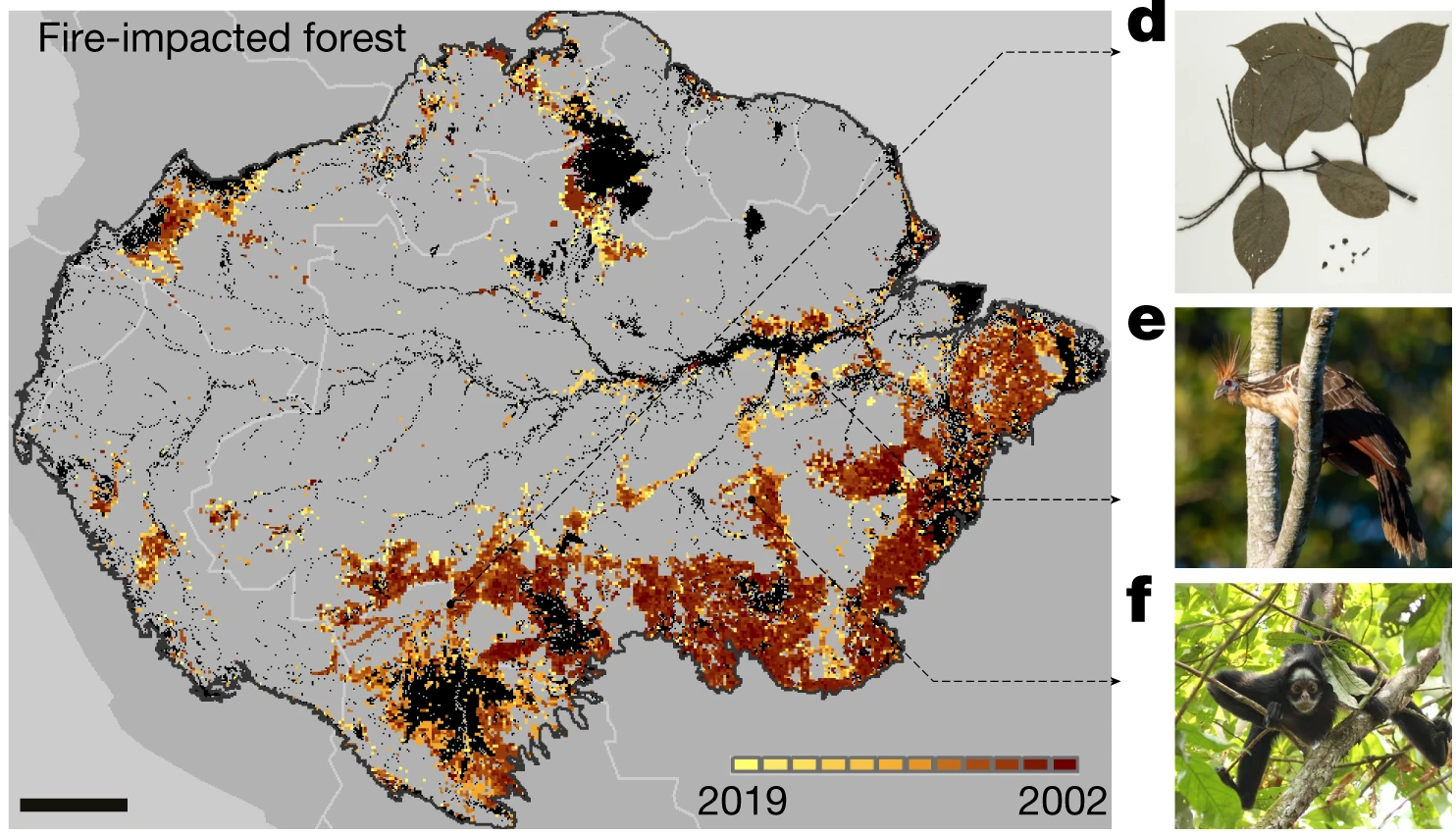
How deregulation, drought and increasing fire impact Amazonian biodiversity
Range maps and fire-risk scenarios reveal how deregulation, drought, and fire can threaten Amazonian plants and vertebrates.
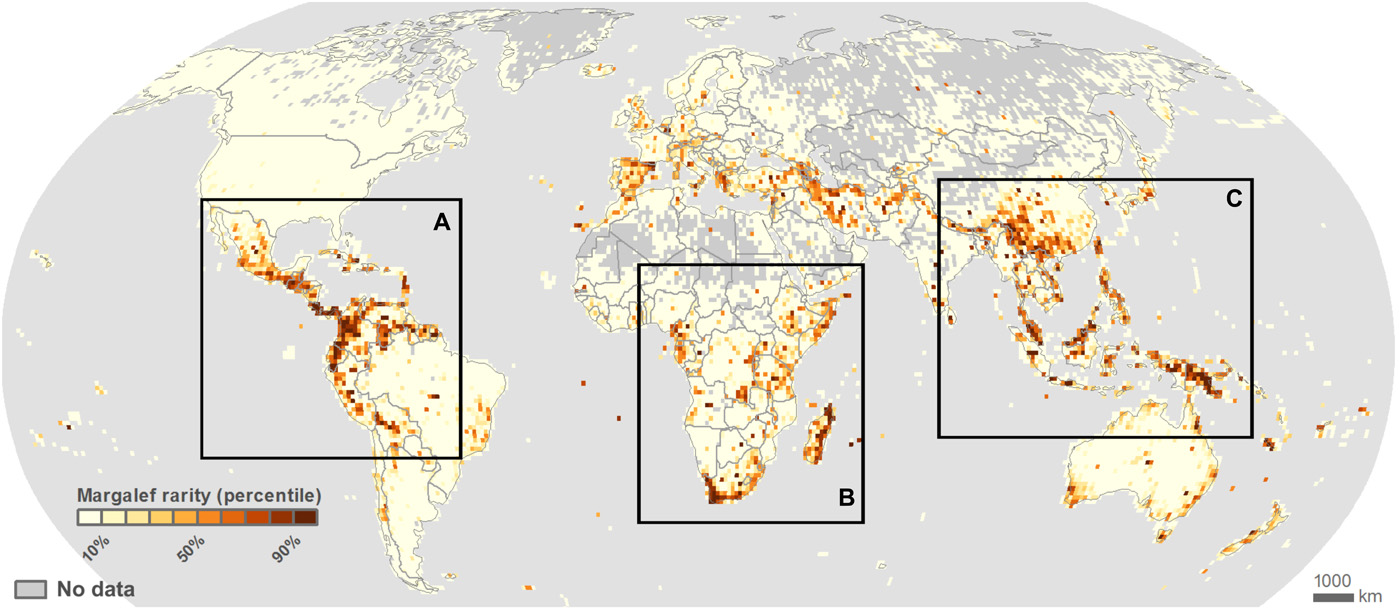
The commonness of rarity: global and future distribution of rarity across land plants
A global plant analysis mapping concentrations of rarity and their implications for future biodiversity conservation.
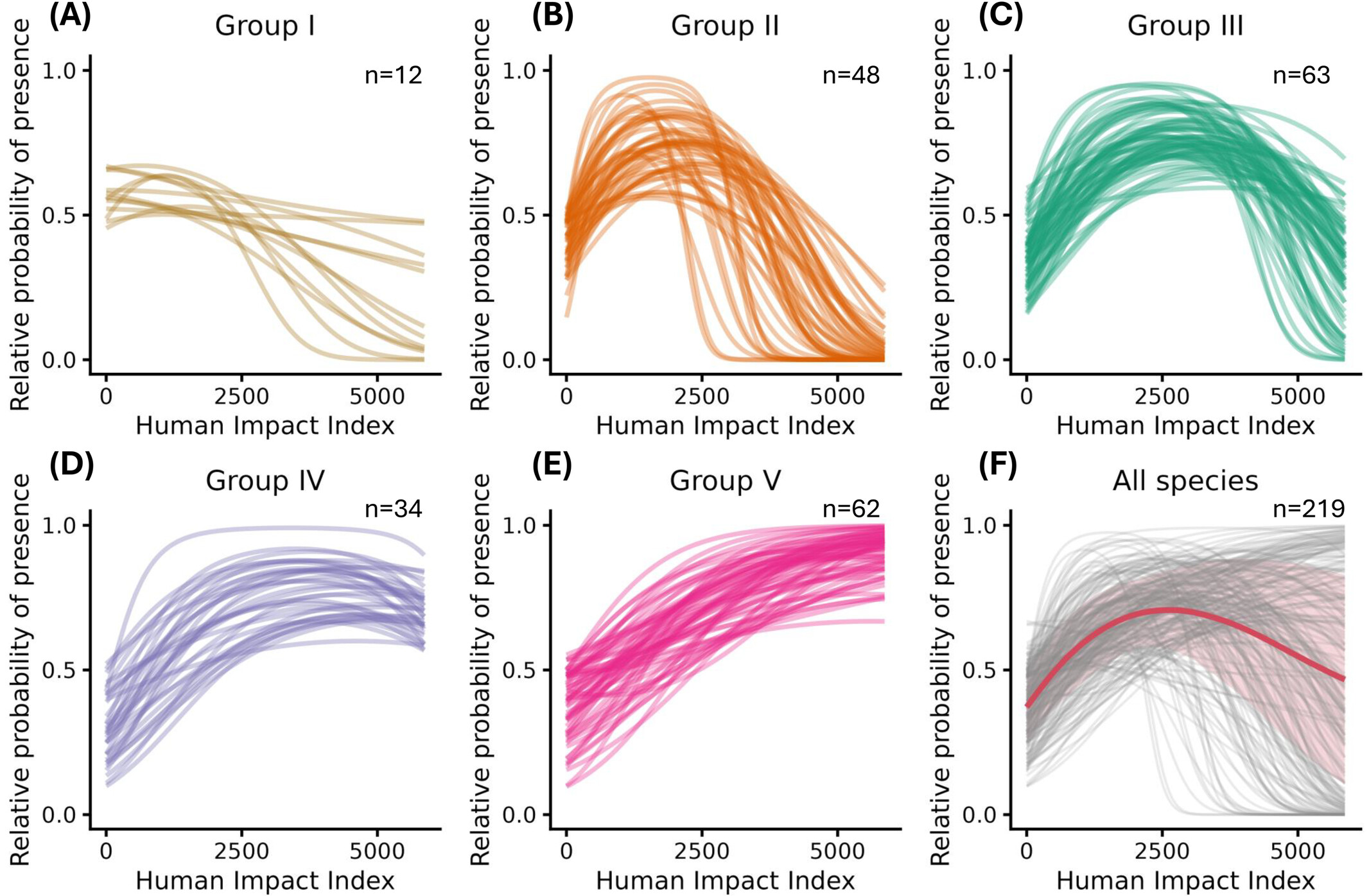
Human impacts, climate, and trait-mediated responses in contemporary mammal distributions
A mammal distribution study linking human pressure, climate, and trait-mediated variation in species responses.
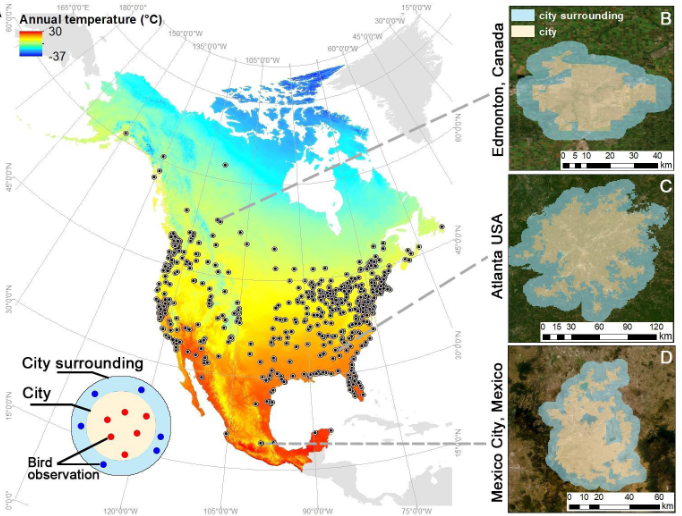
Cities alter the latitudinal diversity gradient of birds in North America
A preprint examining how cities and surrounding landscapes reshape bird diversity across latitude in North America.
Forecasting biodiversity under global change
Forecasting species distributions is central to ecology, biogeography, conservation, and land-use planning. This work asks how global change influences species distributions, and how model assumptions, transferability, physiology, and novel environmental conditions shape ecological forecasts.
Current work.
- We recently developed a theoretical framework (HiBAM) to guide the forecasting of species distributions in a world with pervasive human impacts.
- To address the limitations of correlative models, we have developed a Bayesian modeling framework that integrates species’ physiology to make more realistic predictions under novel climatic conditions.
- To assess forecasting uncertainties, we conduct large-scale simulations to investigate model transferability and develop general rules of thumb for model forecasting.
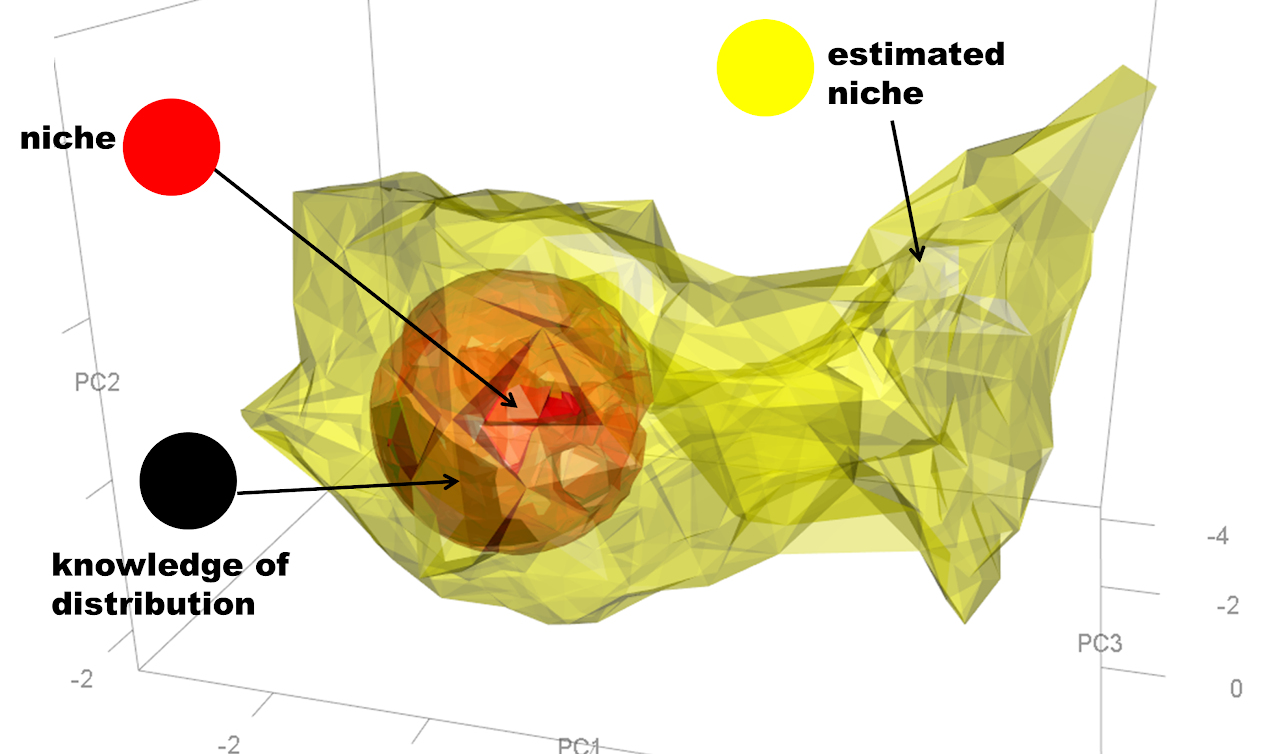
An evaluation of transferability of ecological niche models
A model-transferability study evaluating when ecological niche models can be projected across space, time, and environmental conditions.
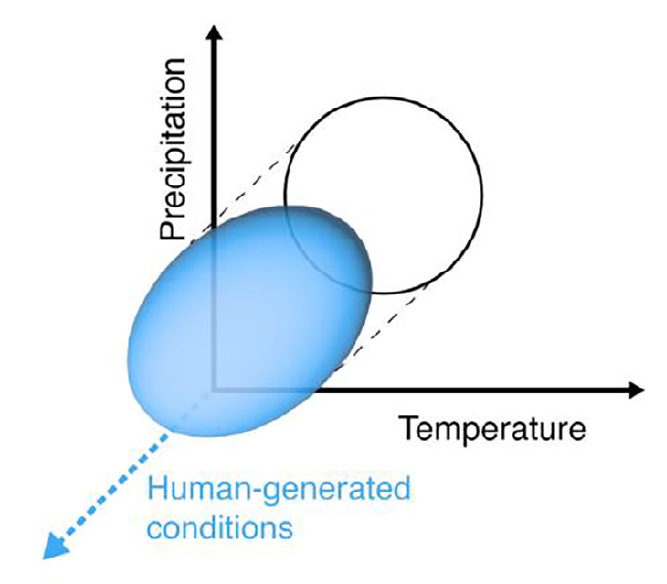
Rethinking ecological niches and geographic distributions in face of pervasive human influence in the Anthropocene
A conceptual framework for understanding ecological niches and geographic distributions under pervasive human influence.
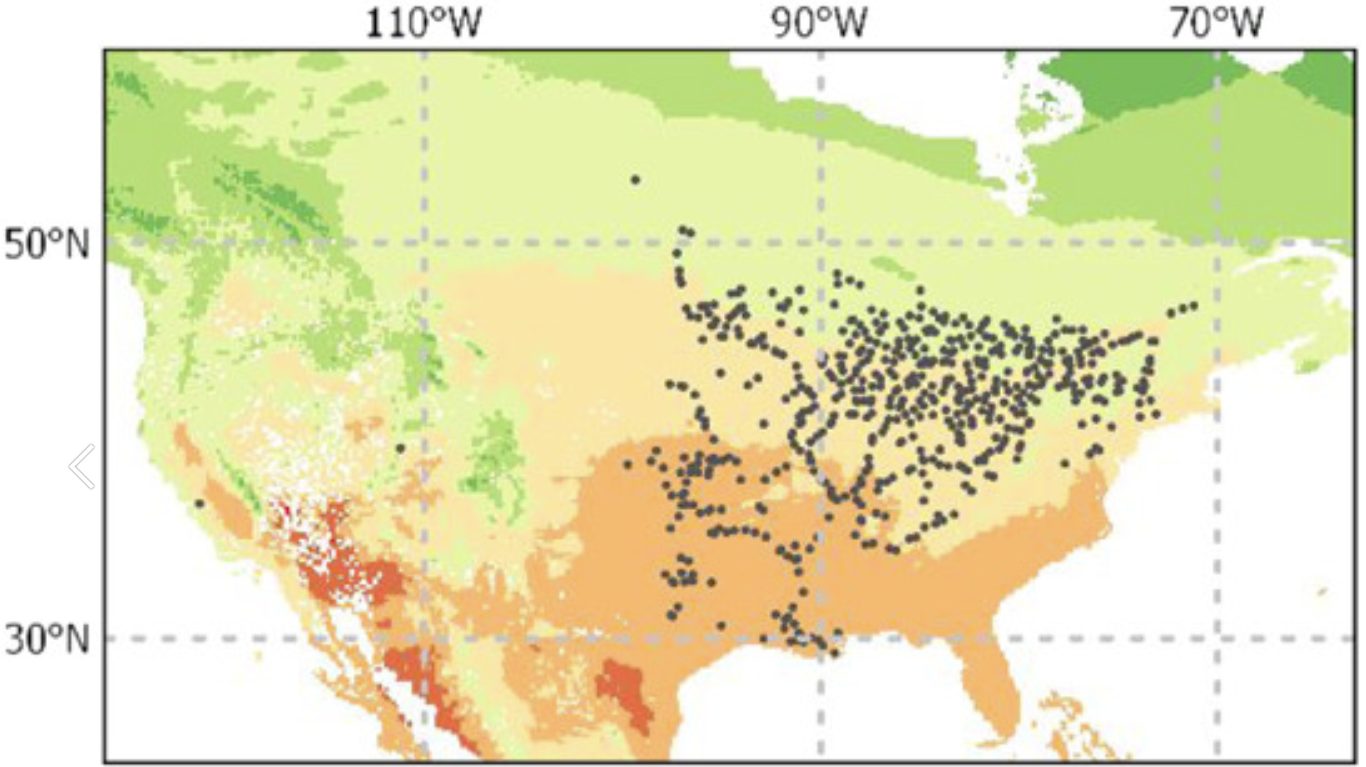
Physiology in ecological niche modeling: using zebra mussel's upper thermal tolerance to refine model predictions through Bayesian analysis
A Bayesian modeling framework integrating physiological thermal tolerance to refine species distribution predictions under novel climates.
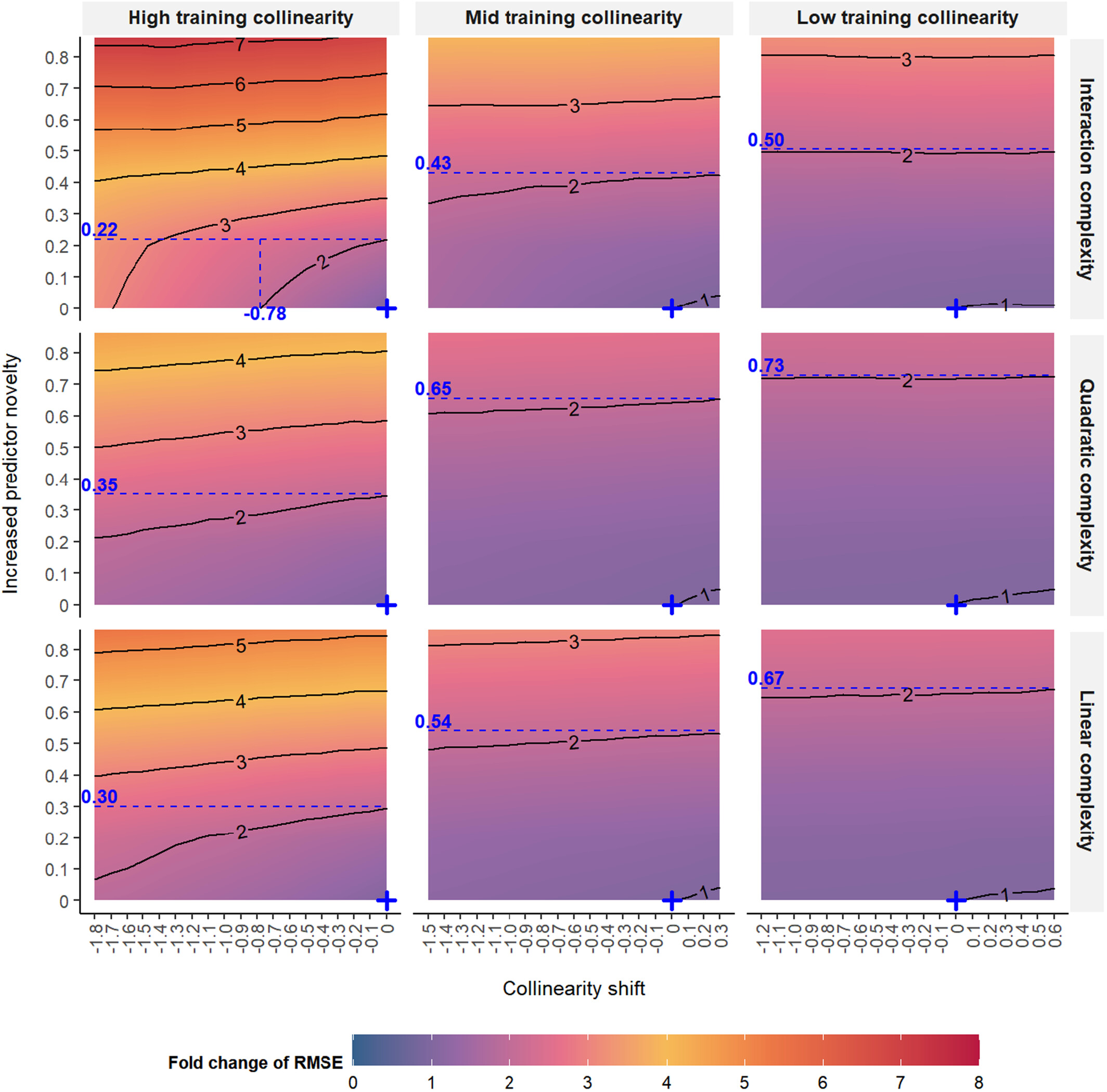
Influence of model complexity, training collinearity, collinearity shift, predictor novelty and their interactions on ecological forecasting
A simulation study evaluating how model complexity, collinearity, novelty, and their interactions affect ecological forecasting performance.
Consequences of biodiversity loss
Our planet is potentially facing the 6th mass extinction, with biodiversity loss at high speed and large scale. A prominent example is regional-scale forest die-off, which has occurred on all forested continents and is projected to increase in frequency and extent under global warming. The local impact of forest die-off is well studied, but ecological and economic consequences at regional and global scales have rarely been evaluated.
Current work.
- We perform large-scale simulations using Community Earth System Models to investigate climatic and ecological consequences of forest loss and land-cover change.
- We also collaborate with scholars from different disciplines (ecology, data science, atmospheric science, economy, and social science) to investigate economic consequences and management strategies.
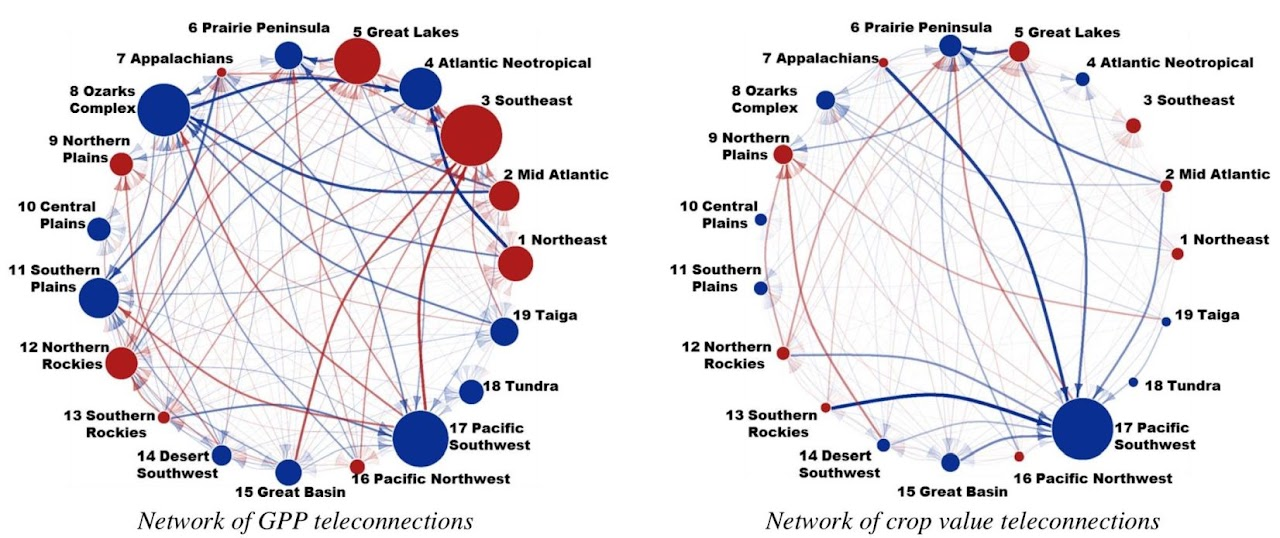
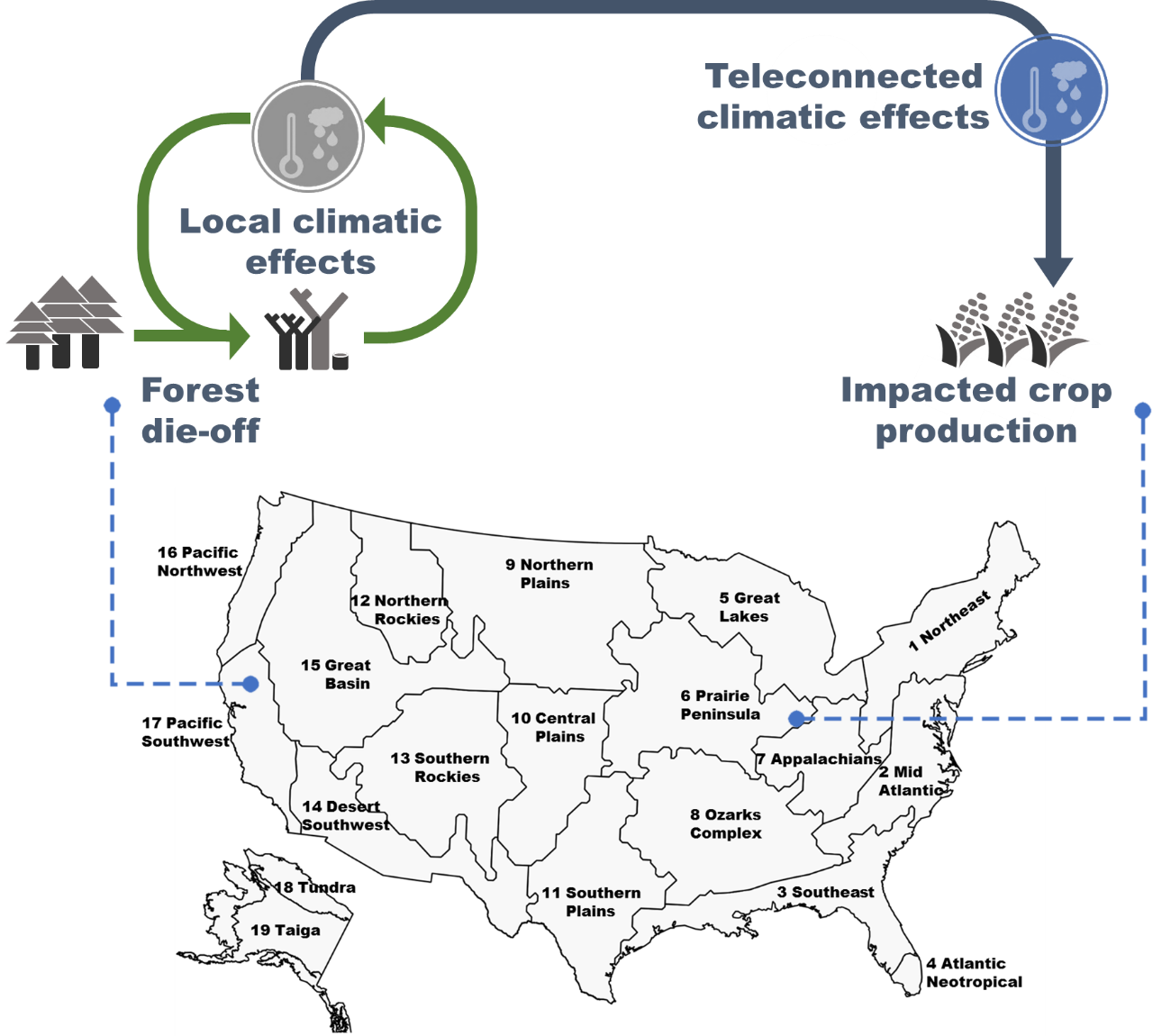
Distance decay and directional diffusion of ecoclimate teleconnections driven by regional-scale tree die-off
This study evaluates how regional forest die-off can generate local climatic effects and teleconnected impacts that diffuse across ecological regions, influencing ecosystem productivity and crop value beyond the affected forests.